Navigating the VA healthcare system can be a complex and often overwhelming journey. At OPTI Vet Solutions, we believe that information is the most powerful tool a Veteran can have.
Whether you are curious about a specific technology, confused by VA terminology, or facing a denial for a non-drug device, we are here to help you bridge the gap. We have compiled these frequently asked questions to provide you with the strategic intelligence needed to advocate for your health and quality of life.
You are a partner in your own care, and the VA recognizes your right to be involved in all treatment decisions. According to the VA's "Essential Elements of Good Pain Care," the system is designed to:
"Educate Veterans/families to promote self-efficacy and shared decision making; provide access to all relevant resources." and "Develop and integrate non-pharmacological modalities into care plans."
You and your treatment team are expected to develop your pain management plan together.
We are a veteran-led education and advocacy hub dedicated to helping you navigate the VA system to access high-tech, non-drug healing devices. We bridge the "awareness gap" by providing you with the product knowledge and procedural tools – like the specific forms your doctor needs – to have informed conversations with your medical team.
Our education, advocacy, and navigation services are provided at zero cost to veterans and their caregivers. We are a mission-driven organization funded through commissions from device manufacturers if a veteran successfully receives a device through the VA’s existing ordering pathways.
No, we are an independent advocacy group. We do not diagnose conditions, prescribe treatments, or guarantee that the VA will approve your request. Instead, we empower you to become your own best advocate within the VA healthcare system.
The VA is a massive system, and many high-tech devices are managed through specific specialty programs like "VA Immersive" or "Headache Centers of Excellence." Your primary care doctor may not be aware of every emerging technology, or they may be following conservative clinical patterns that favor older treatments.
It’s easy, fill out the REQUEST form on our site and we will provide you with the process/verbiage I used for my requests. Your requests can either be sent via a) the secureMy Healthevet portal, b) through a Community Care Partner, or c) given directly to your Provider at your next visit.
DME includes medical devices that are intended for repeated use to manage a health condition. To get it through the VA, a provider must determine it is "medically necessary" for your treatment and submit a formal request through the Prosthetic and Sensory Aids Service (PSAS).
This is the standard form used by both VA and community care providers to order equipment or services. It is often called the "golden ticket" because, when filled out correctly with the right clinical justification, it triggers the VA's procurement process.
Yes. If you see a provider outside the VA through the Community Care Network, they can still request equipment for you using the RFS Form 10-10172. They must submit the signed form along with their medical notes to your local VA community care office for review. We are happy to provide this form to you.
Yes. VA regulations require that you receive proper education and training before a device is issued. Most manufacturers or DME vendors provide this training as part of the delivery process and ensure follow-up care.
While routine requests could be submitted by your provider within 24 hours of your visit, the internal VA review and ordering process can take several weeks. We help you walk through this process so you don’t get stuck in administrative "limbo."
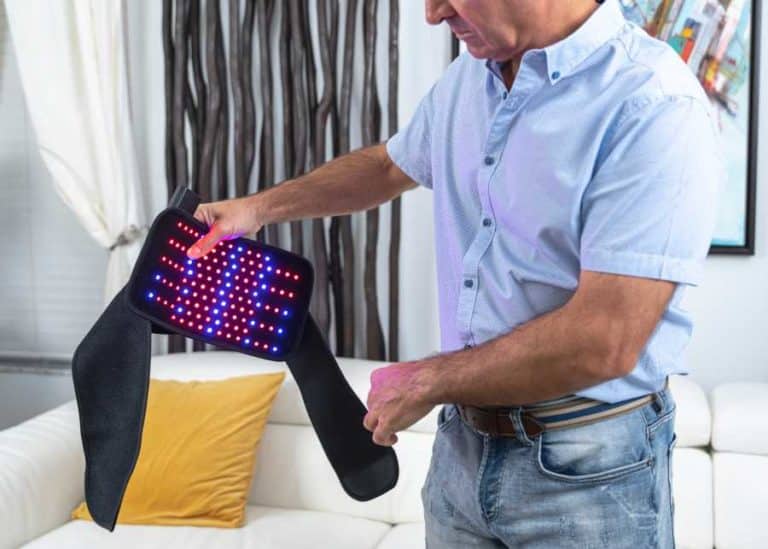
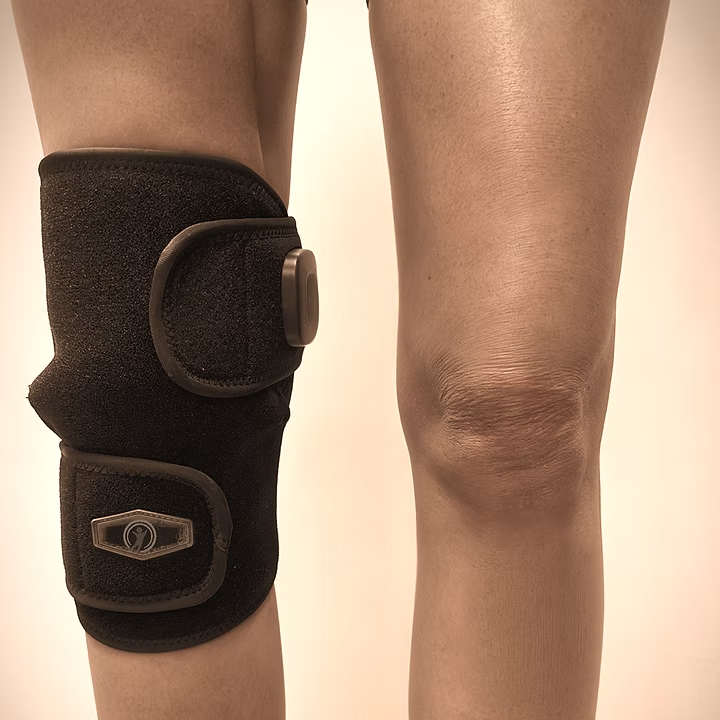
Yes. Clinical-strength red light therapy (photobiomodulation) is a 100% covered benefit when determined to be medically necessary for pain management or circulation. It is often used as a drug-free alternative for muscle and joint pain.
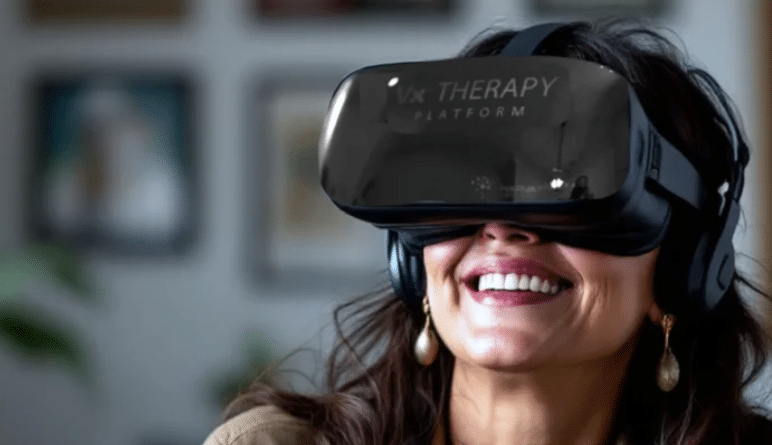
Yes. The VA has authorized specific therapeutic VR systems as prescription treatment options. These devices use immersive environments to help you build skills for managing pain without medication.
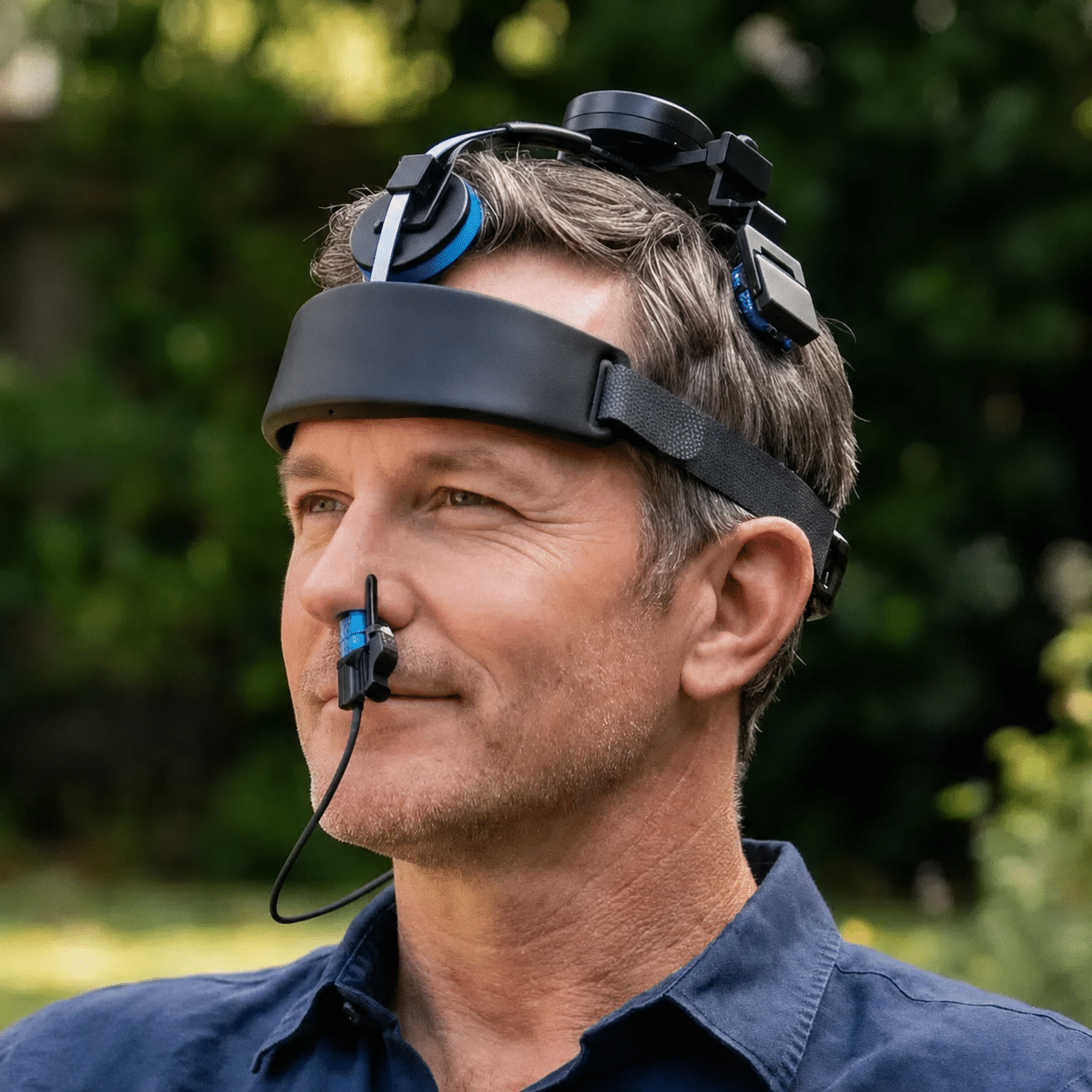
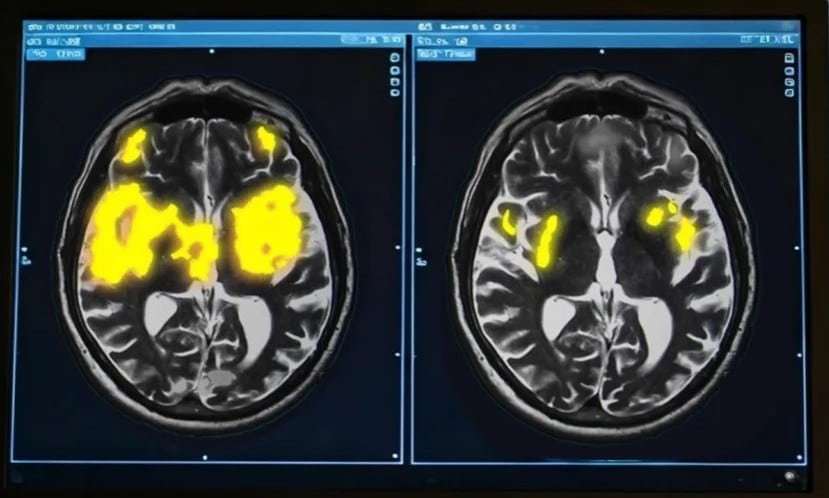
sTMS (single-pulse Transcranial Magnetic Stimulation) is a non-invasive, drug-free device that uses magnetic pulses to "quiet" hyperactive nerves in the brain. It is FDA approved for the mitigation and reduction of migraine frequency and a covered benefit through the VA’s headache care guidelines.
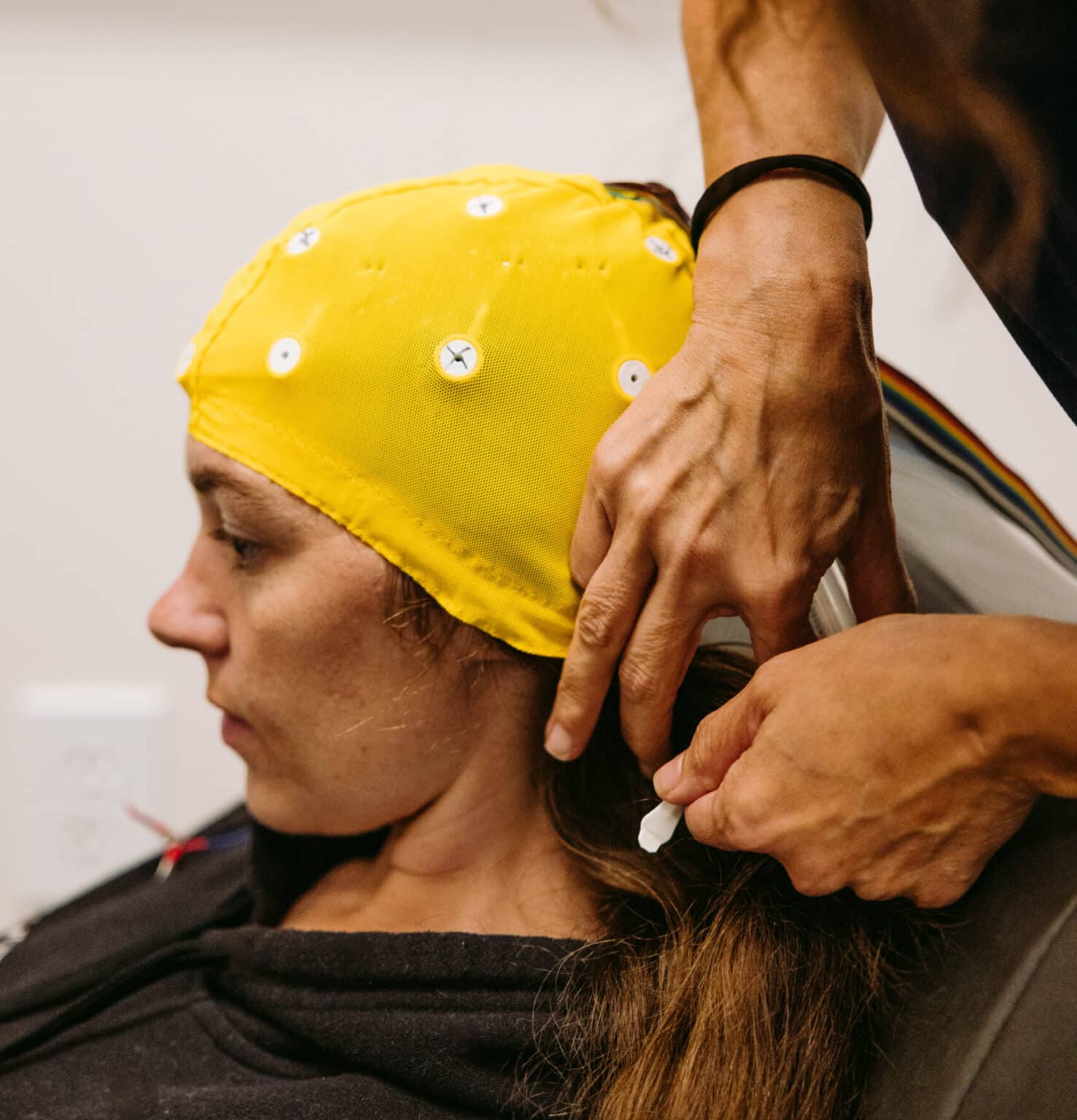
Neurofeedback is considered a Complementary and Integrative Health (CIH) approach. While it is often provided in a clinic, the VA is increasingly researching and supporting home-based options for post-concussive symptoms, insomnia, PTSD, as well as anxious and depressive thoughts.
Whole Health is the VA’s approach to care that focuses on what matters most to you, rather than just treating a disease. It integrates traditional medicine with non-drug therapies like acupuncture, yoga, and high-tech & emerging-science devices to reduce reliance on opioids.
The most common reasons for denial are "insufficient medical evidence", the provider lacks knowledge on the devices, the local prosthetics department either chooses not to order per the doctor’s request, or prosthetics does not know how to order the device.
A rejection is usually administrative, like a typo in your ID number or an invalid address, and can often be fixed by internal resubmission. A denial is a clinical decision where the VA has determined that the device is not medically necessary or service-connected.
Don't give up! Ask for the specific reason for the denial. It may be that the provider lacks information about the device's FDA clearance or VA coverage status. We can provide supplemental research and documentation for you to share with them for a second submission.
You have several options: a Supplemental Claim (if you have new evidence), a Higher-Level Review (for an error in judgment), or a Board Appeal. For treatment-specific decisions, you can also initiate a "Clinical Appeal" through your local Patient Advocate.
Patient Advocates are professionals at every VA facility who support your rights. They can help you resolve issues with your care team, facilitate the Clinical Appeal process, and ensure your voice is heard when you disagree with a medical decision.
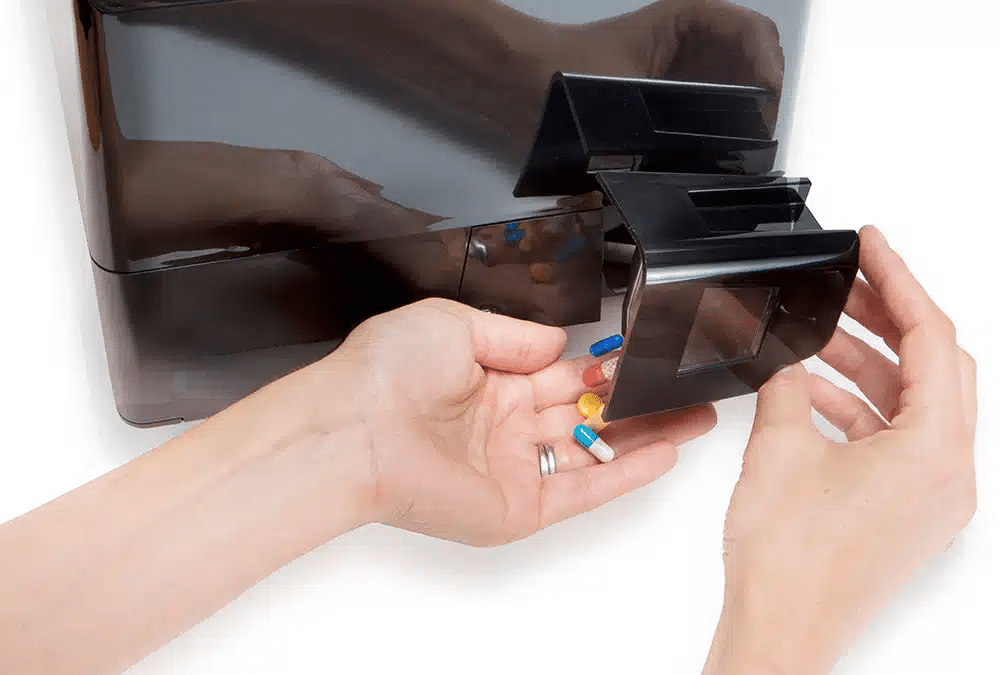
Many of the technologies we advocate for – such as sTMS for migraines, Red Light Therapy, and Automated Medication Management – are already eligible for VA coverage, but awareness remains a significant barrier.
Our goal is to ensure you never have to stumble upon a life-changing benefit by accident. If you don’t find the answer you’re looking for here, our Veteran Care Call Team is ready to provide personalized, one-on-one support.
Disclaimer At OPTI Vet Solutions, we’re Veterans helping other Veterans discover tools that can make a real difference. We’re not part of the U.S. Department of Veterans Affairs (VA) or any government agency – just sharing what’s worked for us and others in our community. Sometimes we earn a small commission when we help connect Veterans with products or technologies we believe in. That support helps us continue spreading awareness and education, but it never changes our message or mission. Everything shared here is for educational purposes only. Before starting any new therapy, device, or program, always talk with your healthcare provider. The final decision about using any health tool is between you and your care team.