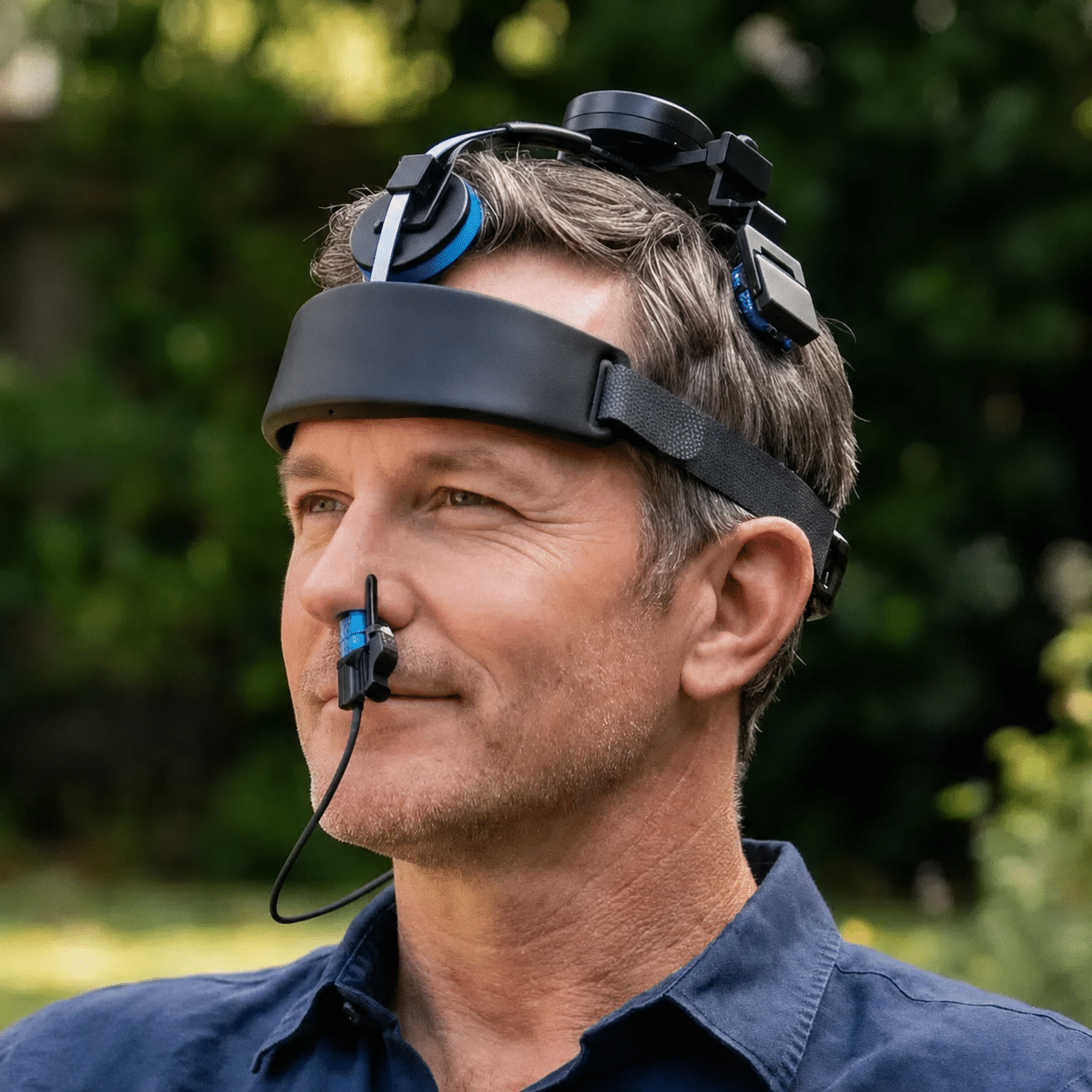
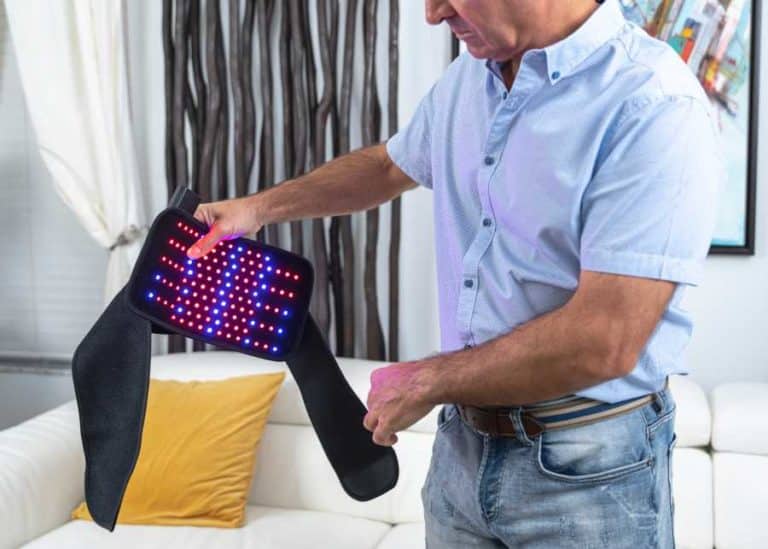
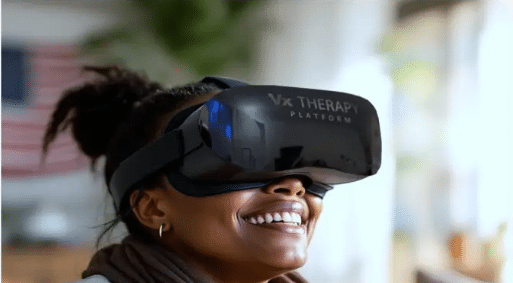
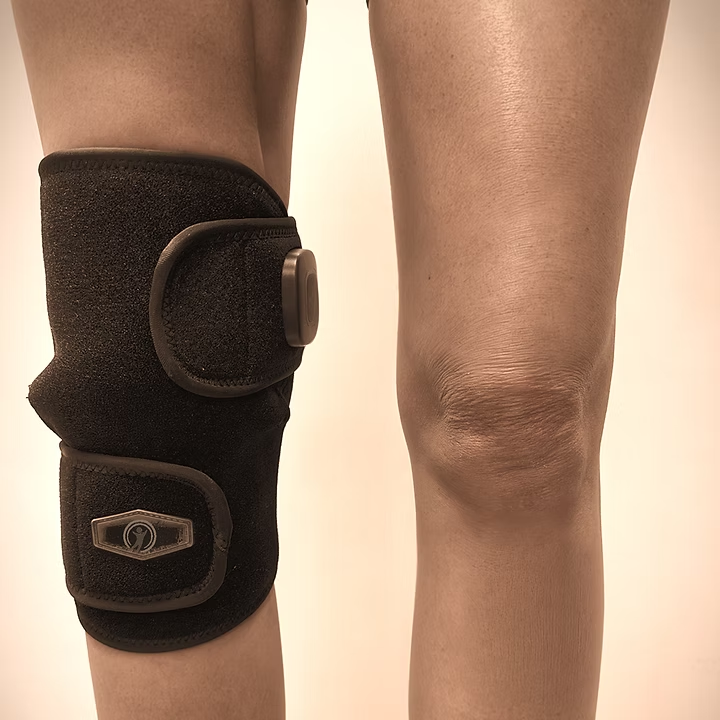
Veterans often carry the physical and neurological burdens of service long after active duty ends. Chronic pain, musculoskeletal injuries, sleep disruption, inflammation, and post-traumatic stress symptoms are common challenges. Red Light Therapy, also known as Photobiomodulation (PBM), is an emerging, science-backed, non-invasive therapy that is gaining attention for its ability to support healing, recovery, and overall quality of life.
This page is designed to educate Veterans and their families on what red light therapy is, how it works, what the science says, and why it may be a valuable tool in a Veteran-focused wellness and recovery plan.
Red Light Therapy is a therapeutic technique that uses specific wavelengths of red (630–660 nm) and near-infrared light (810–880 nm) to stimulate cellular function. Unlike ultraviolet light, these wavelengths do not damage skin or tissue. Instead, they penetrate the body and interact with cells at a mitochondrial level.
Photobiomodulation has been studied for decades in military, NASA, and clinical research settings. Today, it is used worldwide in medical clinics, physical therapy, sports performance, and Veteran wellness programs.
At the core of PBM is the mitochondria – the energy-producing centers of your cells.
When red and near-infrared light reaches the mitochondria:
Additional biological effects include:
Veterans face unique physiological and neurological stressors due to combat exposure, repetitive physical strain, blast injuries, and chronic stress. PBM addresses many recovery mechanisms rather than simply masking symptoms.
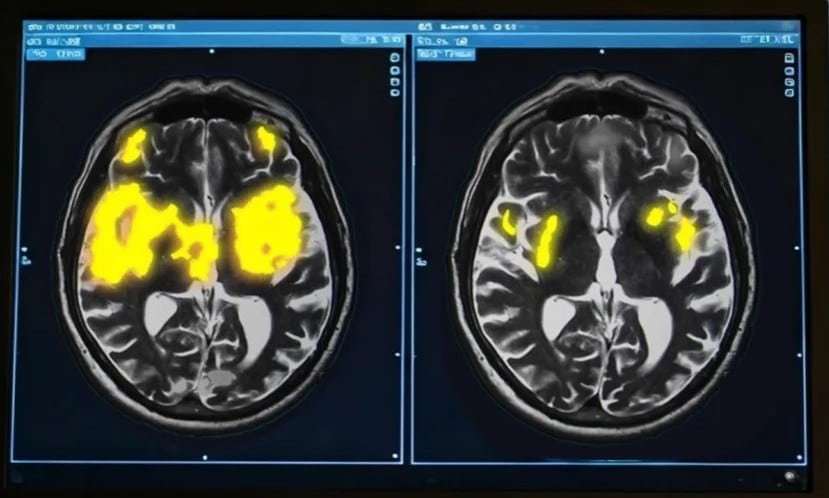
Notably, the VA has conducted and supported its own research on Gulf War Illness (“Gulf War syndrome”) using red and near-infrared light therapy, including VA Boston research exploring whether PBM may help with certain symptom burdens in affected Veterans.
The following areas are promising but still developing and are positioned as future-focused offerings:
Non-invasive and drug-free, red light therapy is especially appealing to Veterans seeking alternatives to long-term medication use.
Chronic stress and disrupted sleep are tightly linked to nervous system dysregulation, and for many Veterans, chronic pain is the spark that starts the cascade: pain limits activity, worsens sleep, increases irritability and isolation, and can compound depression, anxiety, or PTSD symptoms.
Importantly, VA data underscores how often pain shows up in the background before a suicide death. In VA’s Behavioral Health Autopsy Program reviews of Veterans who died by suicide (2020–2022), pain was the most frequently identified risk factor (53.8%), and sleep problems were also common (51.4%). In other words: pain and sleep disruption are not “side issues” – they often appear together in the months leading up to crisis.
PBM is being explored as a supportive tool that may help by:
Important: On this page, sleep/circadian and stress-related applications are positioned as future product focus areas – promising, but still developing – and should be treated as complementary to evidence-based pain care and mental health support.
Ongoing research continues to refine optimal wavelengths, treatment durations, and clinical applications, especially for Veteran-specific conditions.
Photobiomodulation is supported by thousands of peer-reviewed studies across disciplines such as:
Key findings consistently demonstrate that PBM:
The strongest evidence for photobiomodulation (PBM) tends to be in musculoskeletal pain, rehabilitation, wound/tissue repair, and select supportive-care medical settings.
A large open-access systematic review and meta-analysis of placebo-controlled trials in knee osteoarthritis reported that:
Key quantitative findings (knee OA example):
Multiple clinical trials and reviews suggest PBM can support:
Red light therapy has an excellent safety profile when delivered using professional-grade equipment and proper protocols.
Key safety points:
Veterans should always consult with qualified healthcare providers, especially when using PBM alongside other treatments.
Unlike medications that often target symptoms, PBM works at a cellular and systemic level.
| Traditional Approaches | Red Light Therapy |
|---|---|
| Symptom-focused | Root-cause cellular support |
| Often medication-based | Drug-free, non-invasive |
| Risk of side effects | Minimal known side effects |
| Short-term relief | Supports long-term recovery |
For many Veterans, PBM is most effective when used as part of a holistic recovery strategy that includes movement, nutrition, sleep optimization, and mental health support.
At OPTI Vet Solutions, our mission is to empower Veterans with access to advanced, evidence-based recovery technologies. Red light therapy aligns with our commitment to:
We believe Veterans deserve therapies that support healing without adding unnecessary risk, side effects or dependency.
For many Veterans, the goal isn’t just “less pain” – it’s getting back to living. When chronic pain and joint issues keep someone isolated at home, even small improvements in comfort and mobility can help a Veteran stay engaged with family, appointments, hobbies, and community.
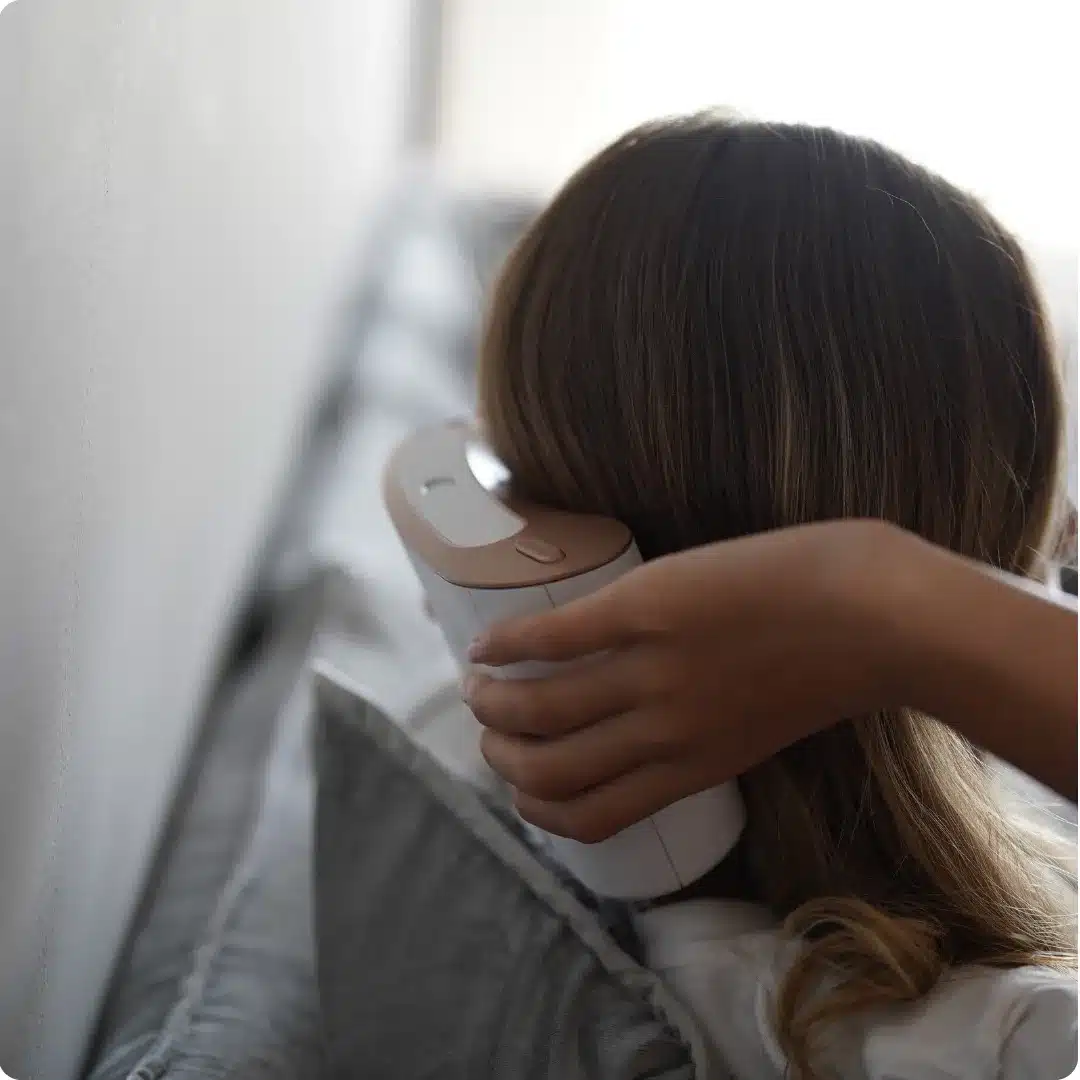
Currently, there are 8 individual body part specific devices (neck, shoulder, elbow, hand, lumbar, knee, ankle, and foot). Targeted designs make it easier to place the light where it’s needed and follow a consistent routine.
Yes, these PBM devices are designed to be lightweight and rechargeable, which can make at-home use simpler – especially for Veterans who don’t want bulky equipment, to be tied to an outlet or require a complex setup.
The red light/photobiomodulation devices we represent are FDA-cleared for specific indications (for example, temporary relief of minor pain, muscle/joint aches, or increasing local circulation, depending on the device). FDA clearance is device- and indication-specific, so it’s important to confirm what a particular product is cleared for.
Some users report noticeable changes within days to weeks, while others experience gradual improvements over 6–12 weeks of consistent use.
The devices we represent are on the Federal Supply Schedule and available to order in all VAs. PBM is still considered emerging therapy in many systems, though adoption is growing in Veteran-focused clinics.
No. PBM should be viewed as a complementary therapy, not a replacement for professional medical care.
Research is promising but still developing, and protocols vary. On this page, sleep/circadian and neurological support are positioned as future product focus areas and should be treated as supportive and complementary, not a replacement for medical or mental health care.
Disclaimer At OPTI Vet Solutions, we’re Veterans helping other Veterans discover tools that can make a real difference. We’re not part of the U.S. Department of Veterans Affairs (VA) or any government agency – just sharing what’s worked for us and others in our community. Sometimes we earn a small commission when we help connect Veterans with products or technologies we believe in. That support helps us continue spreading awareness and education, but it never changes our message or mission. Everything shared here is for educational purposes only. Before starting any new therapy, device, or program, always talk with your healthcare provider. The final decision about using any health tool is between you and your care team.