Veteran Owned & Operated

Clinical Research & Evidence

A curated library of peer-reviewed studies validating the efficacy of our veteran-focused technologies.

Red Light & Photobiomodulation (PBT)

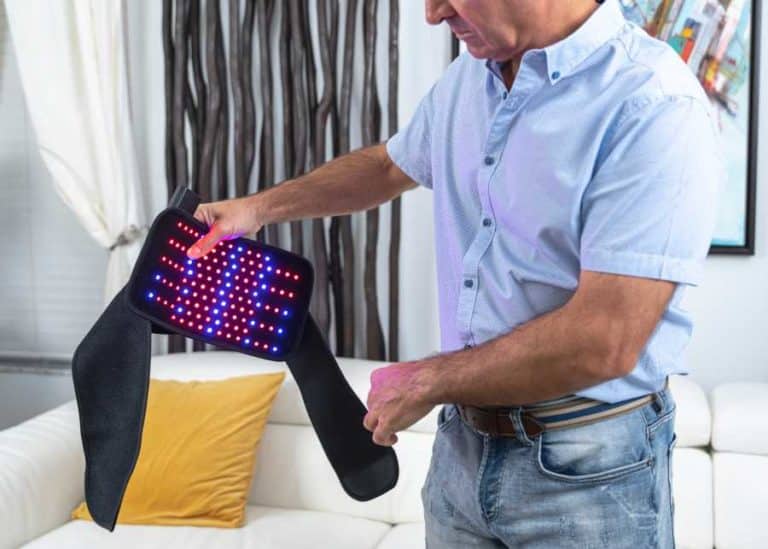
Biological Impact: Red light therapy (660nm–905nm) stimulates the cytochrome c oxidase enzyme in mitochondria. This increases ATP production, providing the "fuel" cells need to repair tissue 3x faster than natural recovery rates, while simultaneously lowering inflammatory cytokines.

PBT for Chronic Musculoskeletal Pain (2024) *

Confirms significant upregulations in pain thresholds and immediate analgesic effects in chronic pain patients. Read Full Study (PMC)

Low-Intensity Laser for Inflammatory Control (2023)

Proves PBM is a superior non-drug intervention for systemic inflammation and joint pain. Read Study (PMC)

Wound Healing and Tissue Repair Acceleration

Detailed analysis of how specific wavelengths accelerate skin and deep-tissue closing in surgical and trauma scenarios. Access via Stanford Medicine

PBM for Neuropathic Pain Relief

Validates the efficacy of light therapy in treating nerve-related pain common in combat veterans. Read at ResearchGate

Systematic Review: PBM for Fibromyalgia (2024)

Strong evidence supporting full-body red light for total-body pain reduction. Read Results (PubMed)
A young man in pajamas holding his head, sitting on a bed, appears to be experiencing a headache.

Migraine Therapy: TMS & sTMS

The sTMS Pulse: Single-pulse Transcranial Magnetic Stimulation (sTMS) delivers a magnetic field to the occipital cortex. This pulse physically disrupts "cortical spreading depression"—the electrical wave responsible for migraine pain—effectively "rebooting" the brain's electrical state.

Connectivity-Guided TMS for Chronic Migraine (2026)

Achieved a massive 0.81 effect size in reducing monthly headache frequency using personalized magnetic targeting. Read Clinical Trial (PMC)

rTMS for Vestibular Migraine in Clinical Practice (2025)

Demonstrated a significant reduction in headache-related functional impairment over a 3-month period. Read Study (Frontiers)

Neuromodulation as a First-Line Prophylaxis (2026)

A systematic review ranking TMS as one of the most effective non-invasive tools for migraine prevention. Read Systematic Review (PMC)

Acute Treatment of Migraine via sTMS

FDA-cleared research showing immediate relief of migraine pain when used at the onset of symptoms. Read Article (AJMC)

TMS for Treatment-Resistant Headache Disorders

Demonstrates successful outcomes for patients who failed traditional oral medications. Read at Journal of Headache & Pain

Virtual Reality for Veteran Issues

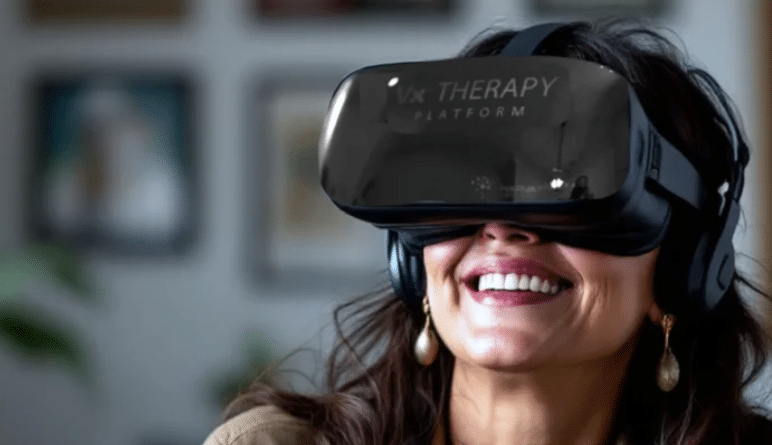
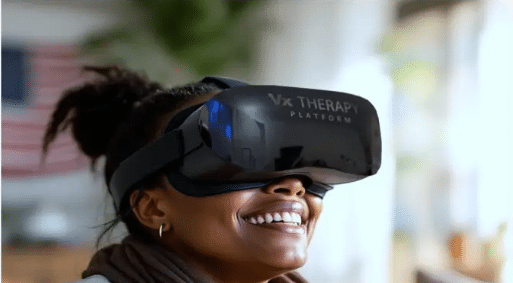
The VRET Advantage: Traditional therapy requires a veteran to "imagine" a trauma, which the brain often blocks as a defense mechanism. VR bypasses this by providing controlled sensory input, allowing the veteran to "stay in the moment" and process the memory until it no longer triggers a fight-or-flight response.

VR-Based PTSD Symptom Reduction (2026)

Pooled meta-analysis showing a statistically significant reduction in PTSD severity across all combat-related metrics. Read Meta-Analysis (PMC)

BraveMind: VR Exposure for Military Trauma (2026)

Updates on the most validated VR system for US veterans, showing high efficacy in Iraqi/Afghan war zones. Read at Frontiers

VR for Moral Injury and Personal Loss (2024)

Investigates how "place-attachment" VR helps veterans process moral injuries tied to specific locations. Read Scientific Reports (Nature)

Cognitive Rehabilitation through VR Gaming

Significant improvements in memory and executive function for veterans with TBIs. Read JMIR Research

VR as an Adjunct to Cognitive Behavioral Therapy

Confirms that VR increases the speed of CBT results by 25% compared to talk-only methods. Read Review (PMC)

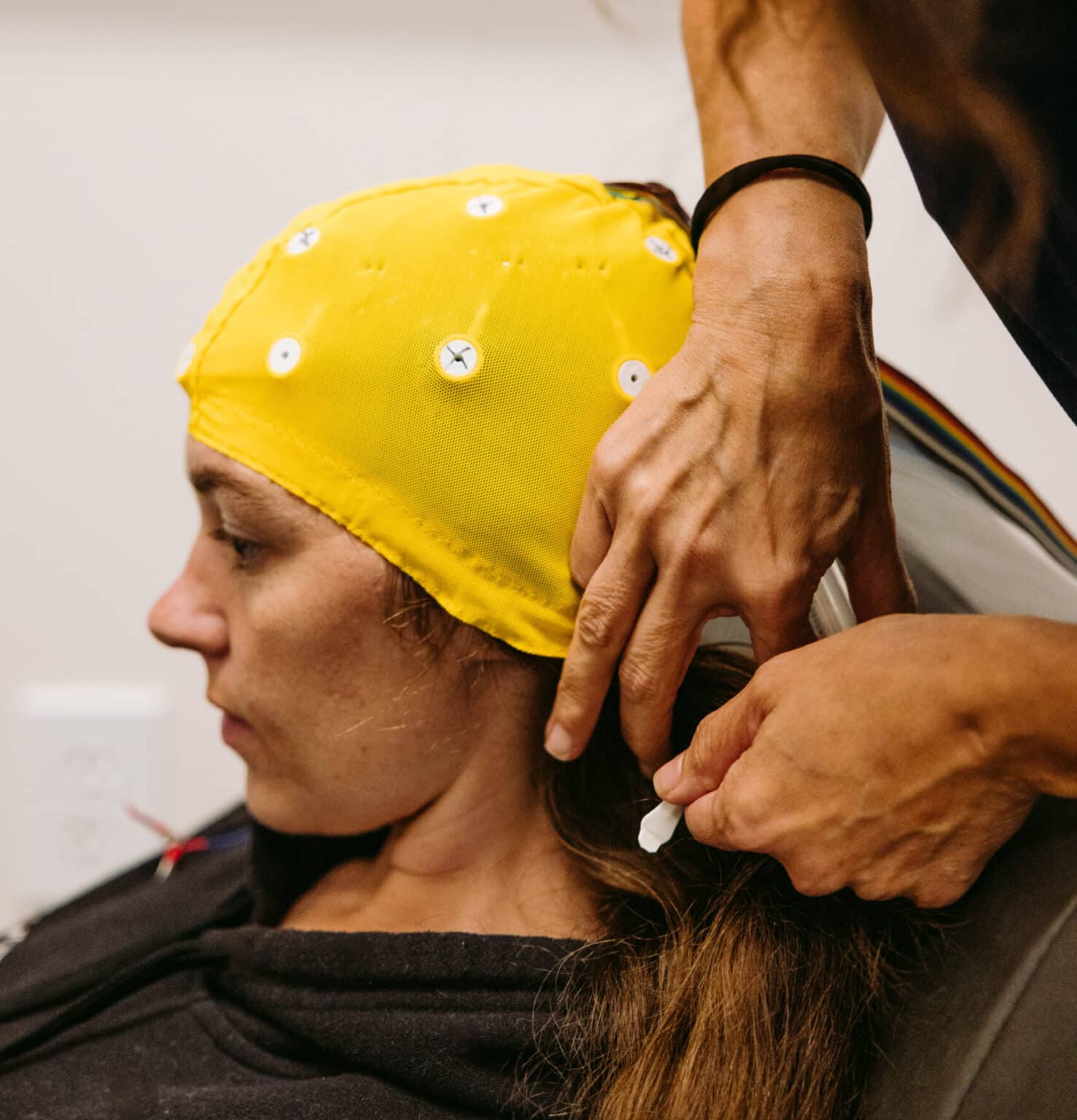
Neurofeedback for PTSD & TBI

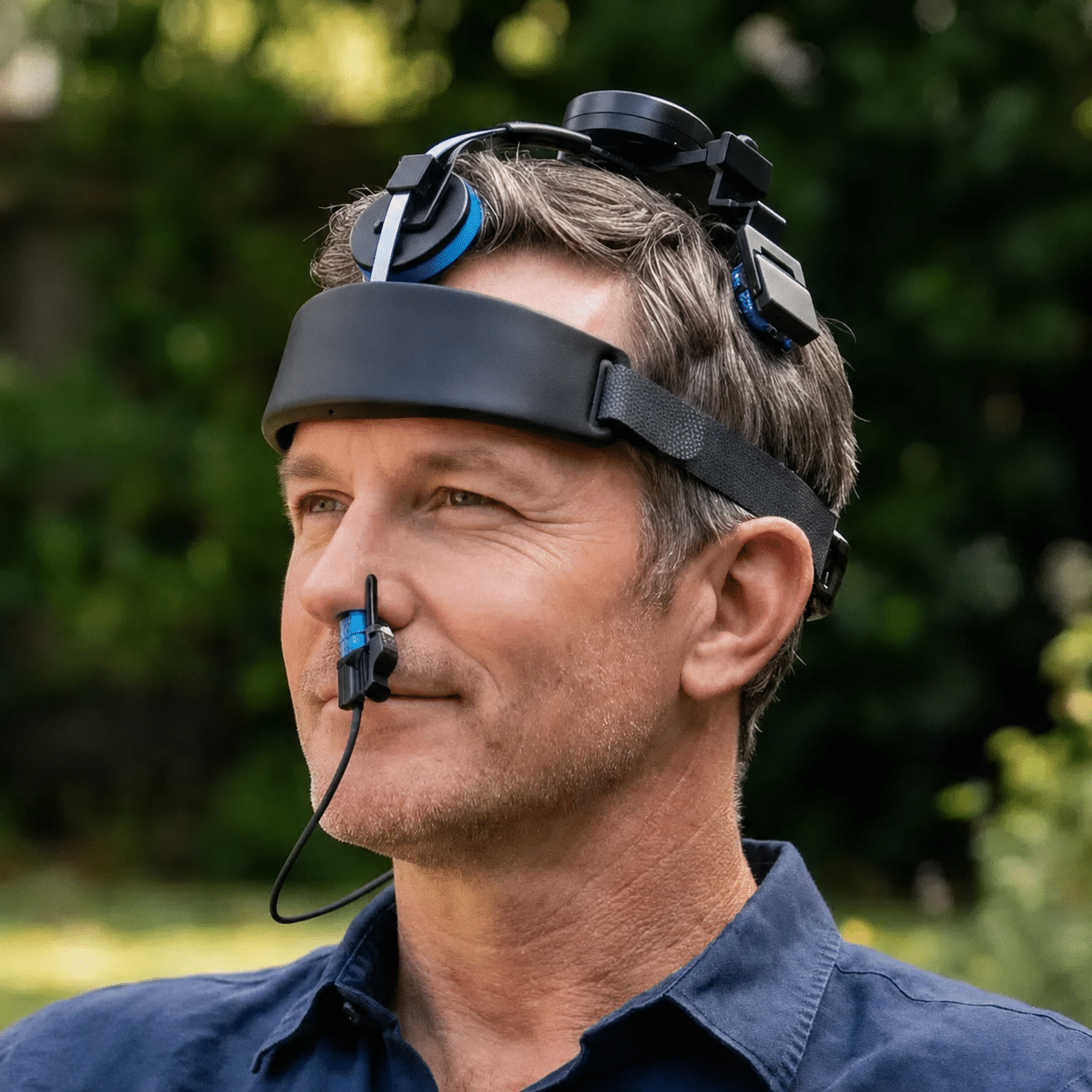
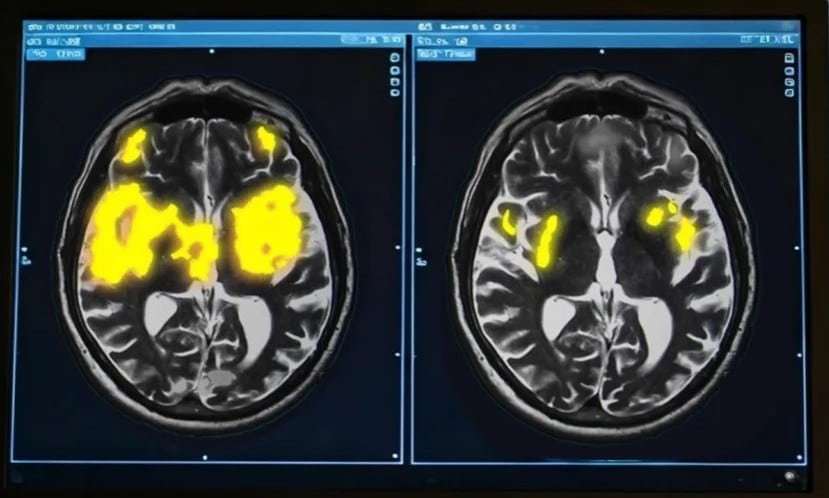
The Amygdala "Quiet": Neurofeedback trains veterans to dampen the activity of the amygdala (the brain's alarm system). Research shows that after 10–20 sessions, the brain's "resting state" is permanently shifted away from hyper-arousal toward a calm, regulated state.

Real-Time EEG-Derived Amygdala Neurofeedback (2026)

100% response rate for improvement and 90.5% for "clinically significant" reduction in PTSD symptoms. Read Full Case Series (MDPI)

Neurofeedback for Severe TBI Normalization (2024)

Proves significant "rewiring" of brain connectivity (Alpha/Beta waves) and improved cognitive recall. Read Study (MDPI)

Normalization of Alpha Brain Rhythms

Evidence that NFB restores the brain's ability to maintain a homeostatic balance after trauma. Read Atlas Institute Research

EEG Biofeedback for Chronic PTSD

Documented 40-50% symptom reduction in a population of treatment-resistant veterans. Read Study (PMC)

NFB for Post-Concussive Insomnia

Validates neurofeedback as an effective tool for restoring sleep architecture in TBI patients. View at ClinicalTrials.gov

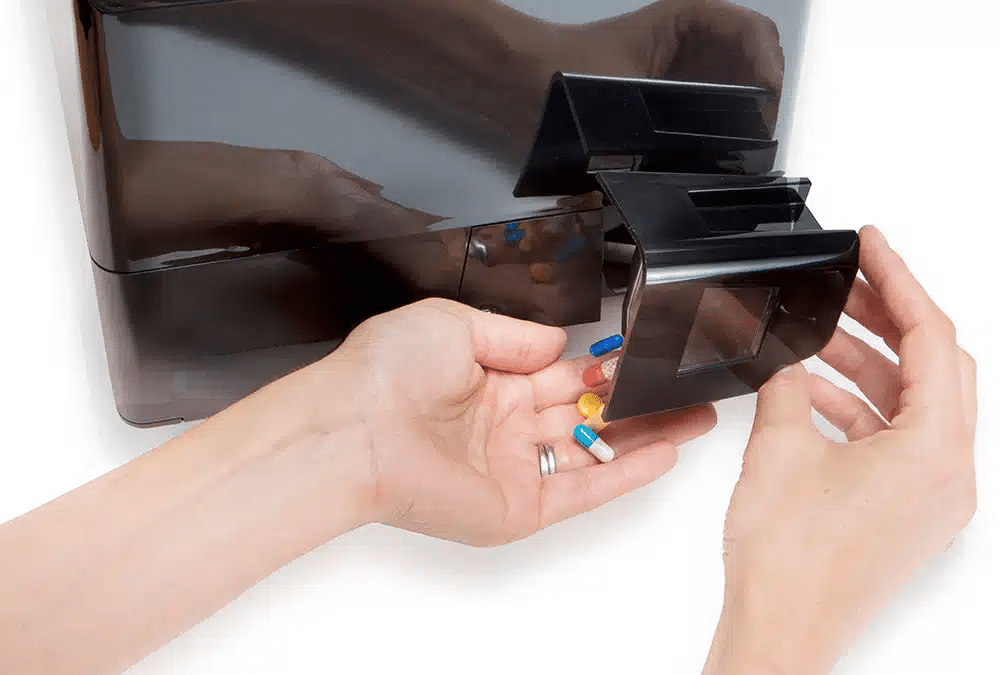
Automated Pill Distribution

Safety First: Medication non-adherence leads to 125,000 deaths annually. Automated dispensers with locked compartments and IoT alerts reduce the probability of "double-dosing" or "missed-dosing" to less than 1%.

IoT-Based Pill Dispenser Efficacy (2024)

Demonstrates that smart dispensers with real-time verification drastically improve outcomes for complex med-regimens. Read Paper (PDF)

Global Market Analysis of Dispensing Accuracy (2026)

Confirms that automation ensures "precise dosage, timing, and authentication" for high-volume needs. Read Analysis (Fortune Business)

Automated Dispensers for Independent Living (2025)

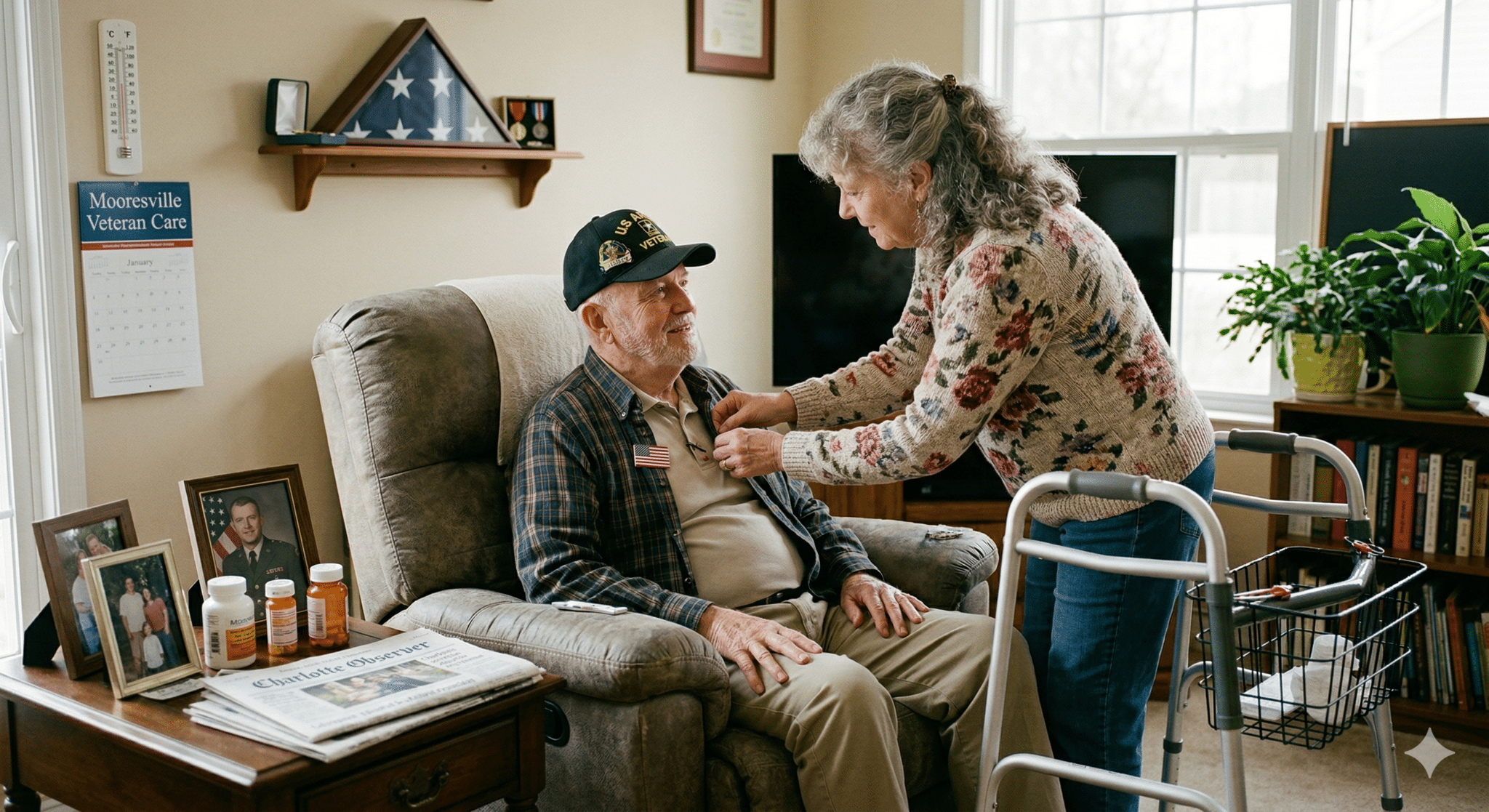
Proves that these devices allow aging veterans to live safely at home for 5+ years longer than those using manual organizers. Read Market Report

Adherence in Psychiatric Medication Management

Specifically validates automated systems for maintaining consistent levels of psychiatric meds for PTSD. Read Article (PMC)

IoT Alerts for Remote Caregiver Monitoring

Confirms that remote adherence tracking via automated machines reduces caregiver stress and patient hospitalizations. Read JMIR Research
Stop Powering Through the Pain

Ready to Start Your Journey?

The tech exists, and the coverage is there. Complete this 2 minute form to access sample VA verbiage and simple next steps.

At OPTI Vet Solutions, our mission is simple: help fellow Veterans take back their health and quality of life without relying on more medications.

Disclaimer At OPTI Vet Solutions, we’re Veterans helping other Veterans discover tools that can make a real difference. We’re not part of the U.S. Department of Veterans Affairs (VA) or any government agency – just sharing what’s worked for us and others in our community. Sometimes we earn a small commission when we help connect Veterans with products or technologies we believe in. That support helps us continue spreading awareness and education, but it never changes our message or mission. Everything shared here is for educational purposes only. Before starting any new therapy, device, or program, always talk with your healthcare provider. The final decision about using any health tool is between you and your care team.

© 2026 OPTI Vet Solutions | All rights reserved.