
Veteran Owned & Operated

OPTI Vet Solutions shares educational resources to support informed conversations with your VA care team. We don’t provide medical advice or guarantee VA approval.
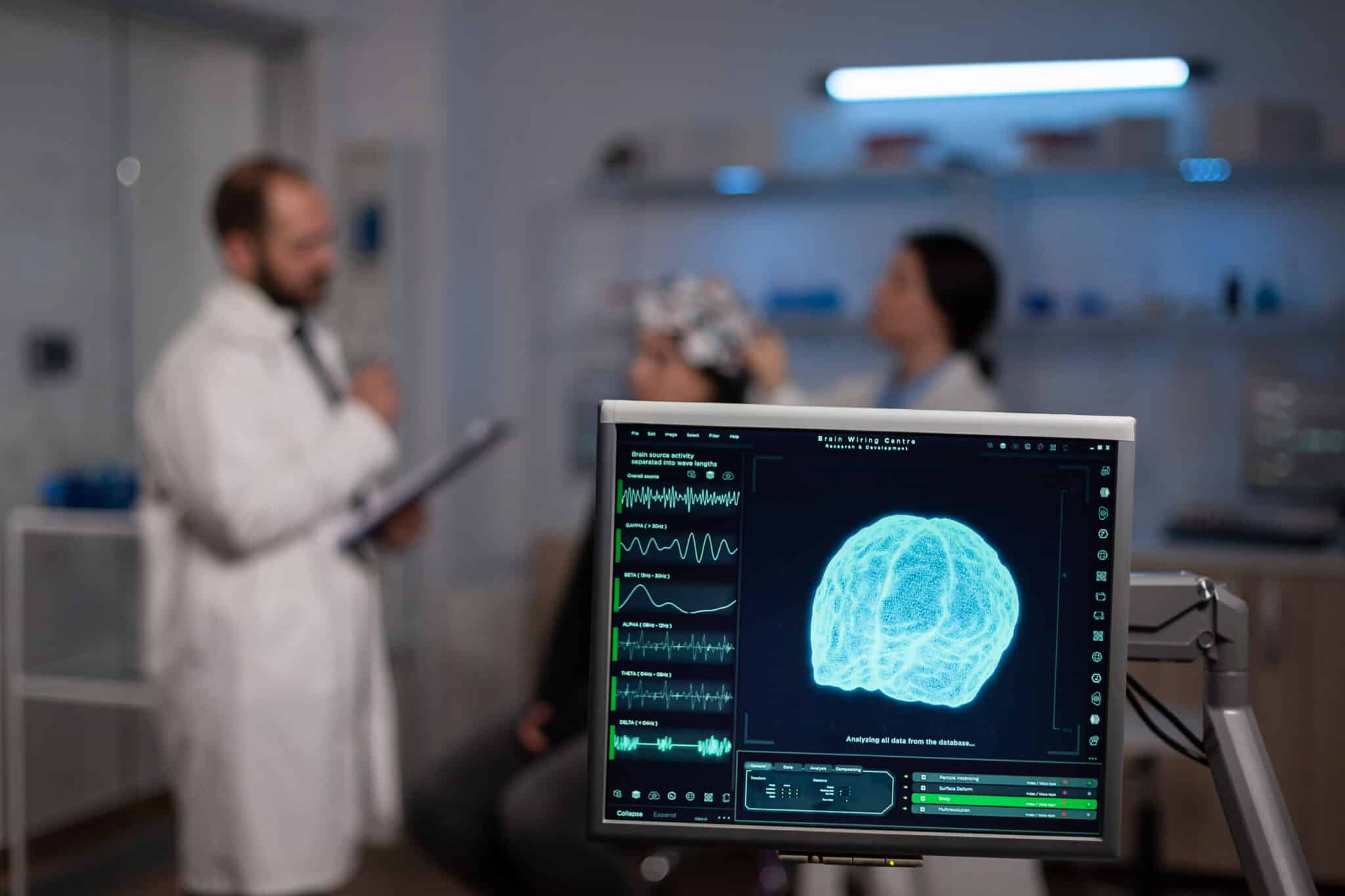
At OPTI Vet Solutions, our mission is to honor our Veterans by helping them access cutting-edge, non-pharmaceutical equipment without unnecessary administrative delays.
When a Durable Medical Equipment (DME) request is denied due to "insufficient medical justification," it delays vital relief for the Veteran and consumes your valuable time as a health care provider. This guide is designed to help you write complete, clinically grounded justification paragraphs that improve first-pass approval rates.
Together, we can:
When you submit a DME consult to the Prosthetic and Sensory Aids Service (PSAS), incomplete paperwork directly impacts the Veteran:
Thorough documentation avoids these bottlenecks and gives Veterans a faster path to effective, non-pharmaceutical care.
Reviewers require objective medical necessity, not consumer preference. Avoid these common framing mistakes:
The Gold Standard: Connect the Veteran's specific service-connected trauma directly to their functional limitations, and explain how the device will restore independent daily living.
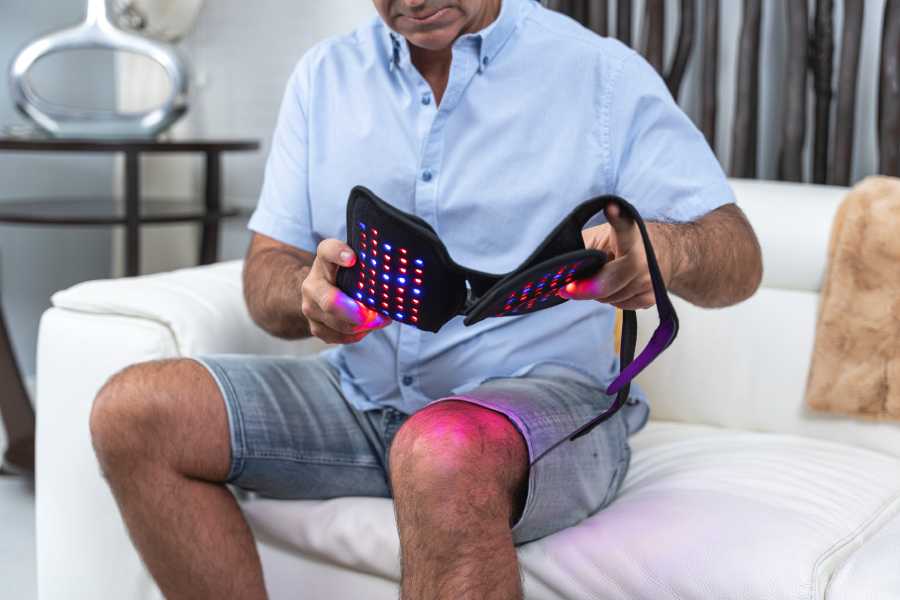
Clinical focus: Chronic deep-tissue inflammation, musculoskeletal trauma, and severe joint pain.
"Veteran presents with severe, chronic multi-joint osteoarthritis secondary to high-impact physical trauma (parachute deployment failure during Army service). History shows persistent bilateral elbow and lumbar pain refractory to standard NSAID therapy. Red light therapy wraps are medically indicated to target localized deep-tissue inflammation, alleviate pain, and improve functional mobility during essential activities of daily living (ADLs), reducing reliance on systemic pain medications."
Clinical focus: Acute and preventative treatment of migraine headaches and TBI-related headache management.
"Veteran presents with severe, intractable migraine headaches secondary to service-connected blast-induced Traumatic Brain Injury (TBI). Standard prophylactic and abortive pharmacological agents have failed to provide relief, caused intolerable side effects, or increased the risk of medication overuse headaches (MOH). Home-use single-pulse Transcranial Magnetic Stimulation (sTMS) utilizing the system is medically necessary to modulate cortical excitability, reduce migraine frequency, and eliminate the need for escalating systemic drugs."
Clinical focus: Immersive pain distraction, neurological rehabilitation, and mindfulness-based PTSD regulation.
"Veteran experiences intractable chronic pain syndrome and persistent hyperarousal related to combat-induced PTSD, resulting in severe daily functional limitations. Therapeutic intervention utilizing the Therapeutic Virtual Reality platform is medically necessary to deploy evidence-based neuro-distraction and immersive mindfulness protocols. This device will down-regulate sympathetic nervous system overdrive and provide an effective, home-based, non-drug tool to manage acute symptom exacerbations."
Clinical focus: Central nervous system dysregulation, chronic hyperarousal, treatment-resistant PTSD, and severe insomnia.
"Veteran exhibits severe, chronic Central Nervous System (CNS) dysregulation and autonomic hyperarousal secondary to service-connected PTSD and concurrent mild TBI. Patient demonstrates intractable emotional dysregulation and severe insomnia that compromise daily occupational functioning. A home-use Neurofeedback system is clinically indicated as an essential, non-invasive therapeutic intervention to train the Veteran in self-regulating dysregulated cortical rhythms, reducing sympathetic overdrive and restoring autonomic stability."
Clinical focus: Chronic joint/spine pain, cellular repair, and localized microcirculation deficits.
"Veteran presents with chronic, debilitating musculoskeletal pain and microcirculation deficits in the lumbar spine, stemming from service-connected physical trauma. Conservative treatments, including physical therapy, have yielded sub-optimal outcomes. PEMF therapy is medically necessary as a non-invasive, non-pharmaceutical intervention to stimulate cellular repair, modulate peripheral nociceptors, and enhance localized tissue perfusion, thereby increasing the Veteran's tolerance for daily functional activities."
Clinical focus: TBI sequelae, Gulf War Illness (GWI), and service-related cognitive/sleep fragmentation.
"Veteran presents with persistent cognitive deficits and severe sleep fragmentation secondary to service-connected blast-induced TBI and Gulf War Illness. Standard pharmacological interventions have failed to optimize cognitive clarity. Home-based transcranial and intranasal photobiomodulation utilizing the system is medically necessary to stimulate neural mitochondrial activity, enhance cerebral blood flow, and reduce neuroinflammation, thereby improving cognitive processing speed and functional independence."
Clinical focus: Complex polypharmacy regimens, cognitive impairment, and severe risk of non-adherence.
"Veteran presents with severe cognitive impairment and short-term memory deficits secondary to service-connected neurodegenerative changes and historical TBI. The Veteran is prescribed a complex polypharmacy regimen, placing them at an exceptionally high risk for accidental double-dosing or missed medications. The automated medication management system is medically indicated as a vital safety intervention required to ensure exact dosing compliance and preserve the Veteran's ability to safely live independently."
Disclaimer: These paragraphs are illustrative samples demonstrating required documentation depth; they are not clinical directives. Medical providers must exercise independent clinical judgment and adapt all verbiage to accurately reflect the unique medical history, objective findings, and specific physical limitations of each individual Veteran.
Thank you for your dedication to those who served. By strengthening our documentation, we ensure no Veteran is left waiting for the non-drug relief they earned.
Our Veteran Call Team is happy to walk through device specifications, clinical research, or the PSAS process with you or your staff.
At OPTI Vet Solutions, our mission is simple: help fellow Veterans take back their health and quality of life without relying on more medications.
Disclaimer At OPTI Vet Solutions, we’re Veterans helping other Veterans discover tools that can make a real difference. We’re not part of the U.S. Department of Veterans Affairs (VA) or any government agency – just sharing what’s worked for us and others in our community. Sometimes we earn a small commission when we help connect Veterans with products or technologies we believe in. That support helps us continue spreading awareness and education, but it never changes our message or mission. Everything shared here is for educational purposes only. Before starting any new therapy, device, or program, always talk with your healthcare provider. The final decision about using any health tool is between you and your care team.